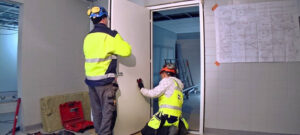

Fire doors play a critical role in commercial buildings across the UK, providing essential protection by slowing the spread of fire and smoke. This gives occupants valuable time to evacuate safely while limiting property damage. With stricter fire safety regulations following high-profile incidents, building owners and facility managers must prioritise compliant installations. Understanding the costs involved helps with accurate budgeting and ensures you meet legal requirements without unnecessary expenses.
This 2026 guide breaks down everything you need to know about fire door costs in commercial settings, from factors influencing pricing to the long-term value of professional installation.
Commercial properties such as offices, retail units, warehouses, schools, and hotels face higher risks due to higher footfall and complex layouts. Fire doors act as barriers within fire compartments, containing flames and toxic smoke to designated escape routes.
UK regulations, including Approved Document B of the Building Regulations and the Regulatory Reform (Fire Safety) Order 2005, mandate properly installed and maintained fire doors in most non-domestic buildings. Non-compliance can result in fines, closure orders, or increased insurance premiums. Regular inspections and certified installations are no longer optional, they are legal necessities that protect lives and assets.
Several variables influence the final price when fitting fire doors in commercial environments:
How much does it cost to fit a fire door in a commercial UK building in 2026? Prices typically range from £400 to £1,500+ per door including supply and professional installation. Basic FD30 timber doors start around £350–£600, while higher-spec FD60 steel or composite doors for commercial use often fall between £800 and £3,500 per unit, especially with robust hardware for high-traffic areas.
How much to fit a fire door depends heavily on the specification. For a standard single internal fire door in a commercial setting, expect £500–£900 all-in. Double doors, glazed units, or external applications push costs higher due to additional materials and engineering.
Labour usually accounts for 30–50% of the total, with certified installers charging £250–£400 per day. A straightforward replacement might take 2–4 hours per door, but full projects involving surveys, modifications, and certification extend timelines and budgets.
For a medium-sized office or retail unit requiring 10–20 doors, total project costs can range from £8,000 to £25,000+, depending on specifications and site conditions.
Here’s a typical 2026 cost overview for commercial installations:
VAT at 20% applies to commercial projects, and prices may vary regionally. Always request detailed, itemised quotes that include certification to avoid hidden fees.
Beyond the doors themselves, factor in:
Professional installers often bundle these services, providing better value and ensuring full compliance from day one.
DIY or unqualified fitting invalidates certifications, breaches regulations, and can fail in a real fire. Certified teams ensure correct gaps, seals, hanging, and ironmongery, all critical for the door’s rated performance.
Poor installation is a leading cause of fire door failures during inspections. Investing in experts reduces long-term risks, insurance costs, and potential legal liabilities.
While upfront costs may seem significant, quality fire doors and proper fitting deliver excellent returns. They reduce potential fire damage (which can run into hundreds of thousands), lower insurance premiums, and support business continuity. Well-maintained doors also enhance property value and tenant appeal in commercial lettings.
Industry data shows that buildings with properly maintained fire safety systems experience significantly lower losses in incidents, with some analyses indicating compliance can reduce fire-related claims by substantial margins.
Look for companies with proven experience in commercial sectors, full accreditations (such as FIRAS or BM TRADA), and a track record with similar properties. They should offer surveys, transparent pricing, warranties, and ongoing maintenance support.
Redline Firedoors is a leading specialist in fire door services across the UK, delivering certified installations, repairs, and maintenance for commercial, public sector, and residential properties. Their experienced team focuses on precision fitting, full compliance, and high-quality materials that provide reliable protection against fire and smoke.
Redline Firedoors works with major clients including leading banks and works to the highest industry standards. They handle everything from initial inspections and bespoke installations to regular maintenance programmes that keep doors performing optimally.
Clients value their professional approach, clear communication, and commitment to safety without compromising on aesthetics or functionality. Whether upgrading a single unit or a large commercial portfolio, Redline Firedoors provides tailored solutions that meet current regulations and deliver lasting peace of mind.
Fire doors require regular checks, ideally twice yearly, to ensure seals, closers, and hardware remain effective. Professional maintenance programmes identify issues early, preventing costly failures during official inspections.
Understanding how much does it cost to fit a fire door in commercial UK buildings empowers better decision-making and helps avoid compliance pitfalls. While costs typically range from £400 to £1,500+ per door depending on specifications and site factors, the investment in professional, certified installation protects lives, property, and your business reputation.
Partnering with experienced specialists ensures your fire doors meet the highest standards of performance and regulatory compliance. For reliable, expert fire door solutions tailored to commercial needs, Redline Firedoors offers the quality, certification, and service that responsible building owners trust.
Prioritise fire safety today, contact a professional provider for a no-obligation survey and quotation to secure your premises effectively.
For most commercial projects in 2026, expect £500–£1,200 per door including supply and certified installation. Steel or higher-rated doors in industrial settings can reach £1,500–£3,500. Bulk orders and simpler jobs often reduce the per-door price.
Yes. Annual or bi-annual inspections and maintenance are essential for compliance and performance. Budget £50–£150 per door per visit, depending on the building size and service package. This is far cheaper than non-compliance fines or emergency repairs.
No. Only certified installers can provide the necessary documentation and guarantees. DIY or unqualified work invalidates fire ratings, breaches regulations, and leaves you liable. Professional installation ensures safety and legal protection.