
Fire doors can be damaged by everyday use, maintenance work, door wedges, altered locks and movement in the frame. A door that was compliant when installed may no longer close or seal correctly months later.
Inspection frequency should reflect legal duties, building type, risk assessment, manufacturer information and how heavily the door is used. Some residential buildings also have specific minimum checking requirements for communal and flat-entrance doors.
Redline Fire Doors provides fire door surveys, installation, repairs and maintenance for property owners and organisations across Somerset, Bristol and wider UK locations.
The fire risk assessment should identify the doors that protect escape routes, compartments and higher-risk areas. It should also inform a suitable inspection regime. A low-use plant-room door and a busy communal corridor door may need different attention even when both have the same nominal fire rating.
Regulations can set particular checking frequencies for certain residential buildings, while other premises rely on the Responsible Person’s risk-based arrangements. Landlords and businesses should confirm the rules that apply to the building and use current government or competent professional guidance rather than a generic online interval.
Trained caretakers or facilities staff can complete frequent visual checks for wedges, obvious damage, missing signs, loose hardware and doors that do not close. These checks are not a substitute for competent inspection, but they allow day-to-day problems to be corrected before the next formal survey.
A detailed inspection considers the leaf, frame, gaps, seals, hinges, closer, latch, glazing, ironmongery and surrounding installation. The inspector should record each doorset clearly and distinguish defects that need urgent action from routine maintenance or longer-term replacement recommendations.
Doors in schools, care settings, communal housing, hotels and busy workplaces can experience frequent impacts and adjustment. Where damage recurs, shorter inspection intervals and better user controls may be appropriate. Repeated repairs can also indicate that the doorset, hold-open arrangement or traffic flow needs review.
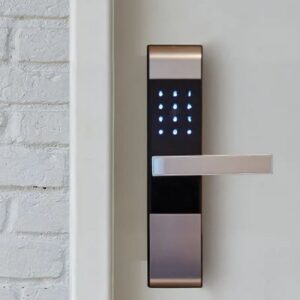
Do not wait for the calendar if a lock, access-control device, closer or glazing panel has been altered. Water damage, forced entry, decoration and new flooring can also affect performance. Any work that changes the leaf, frame or hardware should be reviewed for compatibility with the doorset.
Records should identify the door location, date, inspector, defects, photographs where useful and the action taken. A spreadsheet with vague entries such as ‘door adjusted’ may not demonstrate what was checked. Consistent door numbering makes repairs, follow-up inspections and audits much easier to manage.
An inspection programme succeeds only when defects are prioritised and resolved. Temporary measures should not become permanent. After significant repair or component replacement, verify that the door closes, latches and retains suitable gaps and seals. Update the record so responsibility is clear.
A useful quotation begins with accurate information. Photos and measurements can help an initial conversation, but they do not replace a survey where condition, access, compliance or hidden construction affects the recommendation. Prepare:
Redline Fire Doors can inspect, document and help remediate fire doors across residential and commercial buildings. Because duties vary by property, Responsible Persons should confirm the current legal requirements and use competent fire-safety advice when setting inspection intervals.
No. Suitability depends on the existing condition, intended outcome, site constraints and any technical or legal requirements. A professional survey is the most reliable way to confirm the correct approach.
Cost varies with size, access, preparation, specification, products and remedial work. Compare written quotations on the same scope and ask for assumptions or exclusions to be identified clearly.
The programme depends on survey findings, approvals, product lead times, weather, curing or testing and the amount of work involved. Request a realistic sequence and understand what could change it.
Specialist work depends on diagnosis, compatible materials, correct installation and clear records. Experienced professionals can explain risks, coordinate the complete system and provide appropriate aftercare rather than applying a generic quick fix.